The Navel
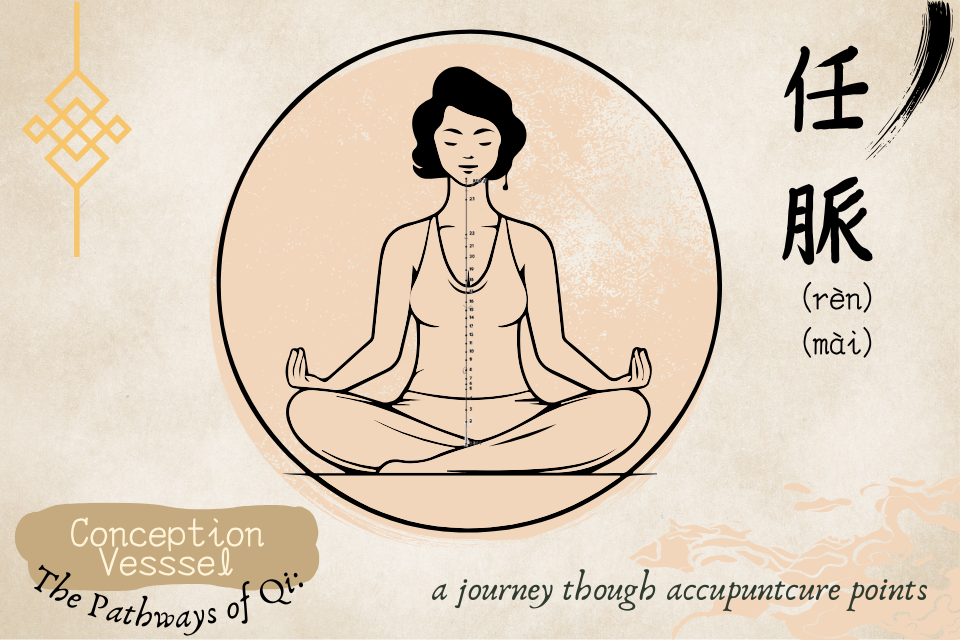
From the first moment of life, the navel marks our origin. It is the scar of connection, the reminder that we were once nourished through a cord linking us to the womb. In our earlier article on the navel, we explored how it symbolizes not only physical birth but also our place in the cosmos: a point of unity, memory, and belonging.
Ancient cultures carried this symbolism outward onto the landscape itself. Just as the human body has a center, the earth too was believed to have navels — sacred places where divine energy concentrated, where heaven and earth met, and where rituals of balance and renewal were performed. These world navels remind us that the earth is not just ground beneath our feet, but a living body with its own sacred centers.
The Navel of the World in Ancient Cultures
Across civilizations, sacred centers were revered as the axis mundi, the middle point between worlds. In Delphi, Greece, the Omphalos stone was believed to mark the center of the earth, placed by Zeus himself. Pilgrims came to consult the Oracle, who spoke with the voice of Apollo through the earth’s womb. In Cuzco, Peru, the Inca considered their city the “navel of the universe,” from which lines of sacred power (ceques) radiated outward like arteries from a heart. In Jerusalem, the Foundation Stone was seen as the cosmic center from which creation unfolded. In Hindu cosmology, Mount Meru was the world’s spiritual axis, linking the heavens and the underworld through the earthly plane.
These centers were never neutral landscapes. They were wombs of transformation, alive with power, and often closely tied to the feminine principle — the earth as mother, the temple as womb, the ritual as a rebirth.
The Feminine Principle and Women’s Cultures
In many traditions, women were the keepers of cycles, those who remembered the rhythms of moon, body, and season. From Red Tent gatherings in the Middle East to Celtic fire festivals, from Indigenous women’s circles of the Americas to Slavic harvest rites, women’s rituals reflected the turning of the seasons and the phases of the body.
The navel as a sacred symbol mirrors the womb, reminding us that women’s bodies carry the wisdom of beginnings and endings. In women’s seasonal circles, the earth was honored as a mother whose cycles echoed those within every woman: birth, growth, harvest, descent, and renewal.
Later articles will expand this into a map of the esoteric body, where energy centers (chakras, omphalos points, secret gates) mirror the cosmos, and into esoteric astrology, showing how planetary rhythms weave into the body’s own sacred design.
Rituals Through the Seasons
Sacred earth rituals were not static — they followed the wheel of the year. Communities returned to sacred centers at different times to renew their connection. Spring was a time of fertility rites, seed blessings, and rebirth ceremonies. Summer brought celebrations of abundance, sun rituals, and dances of fullness. Autumn called for harvest offerings, laments, and rituals of descent. Winter invited silence, renewal, and rebirth from the dark.
We will write about each of these in detail in future articles. For now, let us open the door to autumn, a season rich with ritual significance and women’s wisdom.
Autumn Rituals: The Descent and the Harvest
In Greek myth, autumn is the season of Persephone’s descent into the underworld. When she was taken from her mother Demeter, the earth mourned, crops withered, and the world entered its time of barrenness. Demeter’s grief became a mythic reflection of the autumn season: harvest gathered, days growing shorter, energy turning inward. Persephone’s return each spring marked rebirth, but her descent in autumn was equally sacred, reminding humans of the necessity of release and transformation.
Women’s circles in autumn often marked this transition with harvest offerings of fruits, seeds, and grains left at sacred places in gratitude. Circle songs and laments were sung to honor endings and prepare for the darkness ahead. Ritual baths and anointings cleansed and prepared the body for the quieter months. This seasonal shift echoed the waning moon and the pre-menstrual phase of a woman’s cycle — a time of release, reflection, and preparation for renewal.
The Esoteric Body: The Navel Within
Just as the earth has navels, so too does the human body. Esoteric traditions from India, Greece, and beyond recognized the navel as a gateway of life-force — a place where memory and energy converge. It is both physical (linked to digestion and vitality) and symbolic (the portal to cosmic remembrance).
Later, we will write more about the esoteric body as sacred geography, and how astrology reflects its rhythms, but here we can already sense the parallel: the body is a mirror of the earth, and the earth a mirror of the body.
Healing Practices for the Modern Woman
Many women today live far from sacred landscapes, in cities where nature feels distant. Yet the ancient wisdom can be lived in simple rituals that reconnect body, earth, and cosmos.
Navel Self-Massage
Find a quiet space and place your hands over your navel. Breathe deeply, imagining warmth gathering in this center. Massage clockwise in slow circles to invite nourishment and energy. Reverse the motion counter-clockwise to release what no longer serves. End by resting your hands on your navel, saying silently: “I am connected. I am nourished. I am whole.”
Prayer for Autumn Descent
Light a candle. Place a fruit or seed (pomegranate, apple, acorn) nearby. Speak softly:
"I give thanks for the harvest.
I release what must end.
I enter the dark as the earth does,
to rest, to transform, to rise again."
Even in an apartment, these small acts reawaken the connection to earth’s cycles and to women’s ancient wisdom.
References and Next Steps
This article has opened the theme of sacred earth rituals through the lens of the navel of the world, women’s bodies, and autumnal descent. In upcoming writings, we will explore:
Winter rituals of silence, stillness, and rebirth
Spring rituals of planting, awakening, and fertility
Summer rituals of abundance, fullness, and celebration
The esoteric body as a sacred map of the cosmos
Astrological correspondences that connect planetary rhythms with women’s cycles and seasonal rituals
Book References:
Campbell, Joseph. The Power of Myth. New York: Doubleday, 1988.
Eisler, Riane. The Chalice and the Blade: Our History, Our Future. HarperOne, 1987.
Raglan, Lord. The Hero: A Study in Tradition, Myth and Drama. New York: Mentor, 1936.
Freeman, Naomi. Red Tent: Women’s Rituals and Seasonal Wisdom. Boston: Beacon Press, 2002.
Abrams, M.H. Natural Supernaturalism: Tradition and Revolution in Romantic Literature. W.W. Norton, 1971.
Together, these articles and rituals form a living circle — ancient practices reimagined for the modern woman, guiding her back to her center, her navel, her sacred earth.