The Root Chakra — Muladhara (मूलाधार)
General Description
The Root Chakra, or Muladhara, is the first of the primary chakras in the Hindu yogic system. Located at the base of the spine (perineum/pelvic floor area), it underlies our sense of safety, grounding, and physical stability. In Hindu tradition, chakras are centres of subtle energy, tied to physiology, psychology, and spiritual development. Over time, the chakra system has been adopted globally in meditation, energy healing, yoga, and modern holistic wellness. Today Muladhara features in many spiritual, psychological, and integrative health teachings around the world, not only in India but in the West, East, and everywhere people explore mind–body connections.
Historical Roots
The chakra concept originates in ancient India — texts like the Upanishads, Tantras, and later Tantric yoga and Hatha Yoga treatises. Muladhara means “root support” (mūla = root; ādhāra = base/support). Early classical sources such as Shat Chakra Nirupana (16th century Bengal) give detailed symbolic descriptions of Muladhara: its location, petals, seed mantra (bīja), and its role as foundation for awakening Kundalini.
What It Is and What It Does
Color: Deep red. The element associated is Earth (Prithvi).
Stones: Ruby, garnet, red jasper, hematite — grounding, stabilizing, enhancing vitality. (These assignments are common in modern chakra healing / crystal therapy practices)
Aromas: Patchouli, cedarwood, vetiver, frankincense — scents that evoke earth, rootedness, strength.
When It Is Closed / Underactive: Feelings of insecurity, fear, instability; physical signs might include lower back pain, issues in legs, feet, digestive problems; disconnection from one’s body; anxiety about basic survival, finances, home.
When It Is Overactive: Possibly excessive attachment to material security, resisting change, greed, hoarding, rigid thinking.
Practices to Open / Balance It
Visualization & Mantra: Visualize a red glowing lotus at the base of the spine; chant the seed mantra LAM.
Physical practices / Yoga: Poses that ground the lower body — e.g. Tadasana (Mountain Pose), Malasana (Garland Pose), Virasana, standing poses; yoga mudras like Mula Bandha (root lock) help anchor energy.
Movement / Lifestyle: Walking barefoot on earth, gardening, spending time in nature; establishing routines; creating a stable home environment.
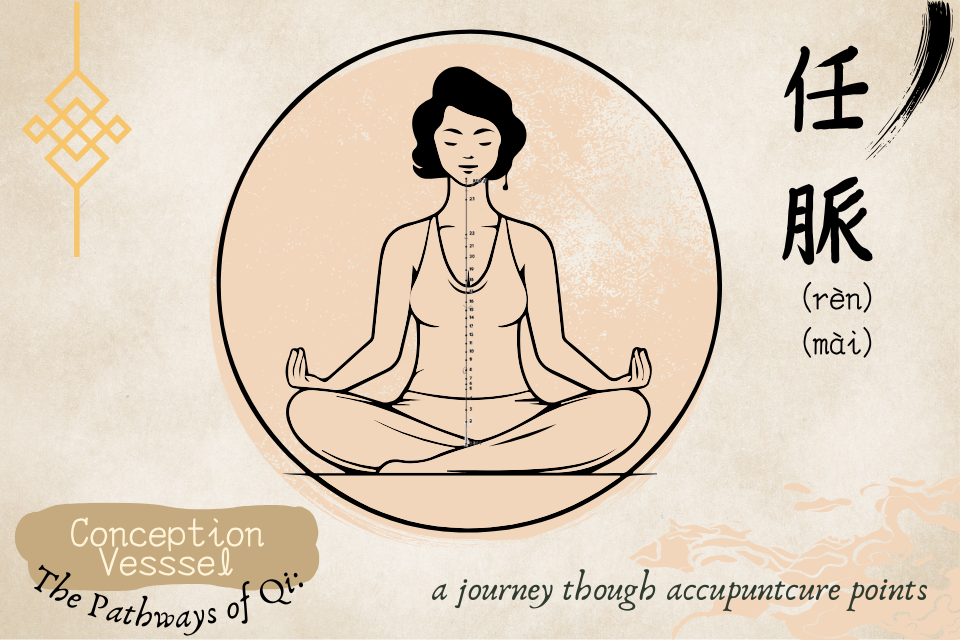
Intercultural echoes with Ren Mai / Conception Vessel:
In Chinese medicine, the Conception Vessel runs along the front midline of the body, through the lower abdomen, nourishing Yin and essence. Points like CV1, CV2, CV3 are in the same region that relates to grounding, survival, reproduction — similar territory where Muladhara functions in yogic / chakra systems. Both systems recognize that the base area is foundational: keep it stable and strong, and higher practices (energy flow, creativity, spiritual growth) are more sustainable.
Yoga Practices for the Root Chakra
Mula Bandha (root lock) — contracting the pelvic floor to engage foundational energy.
Asanas: Tadasana, Vrikshasana (Tree Pose), Virabhadrasana I & II (Warrior Poses), Malasana (Squat), Balasana (Child’s Pose) for grounding.
Breathing: Deep belly breathing; breath awareness down in the pelvis; slow, even inhalation/exhalation to calm and root nervous system.
Herbs for the Root Chakra
Here are herbs from Ayurveda, Greek/traditional Mediterranean, and international that are often used (in modern herbal or holistic contexts) for grounding, stability, vitality — qualities associated with Muladhara.
| Tradition | Herb | Actions / Why it fits Root Chakra | Notes / Usage |
|---|---|---|---|
| Ayurvedic | Ashwagandha (Withania somnifera) | Adaptogenic, supporting vitality, grounding stress, supporting root energy. | Use as tonic, decoction or powder. |
| Ayurvedic | Shila or Shilajit (resin/mineral pitch) | Earthy, mineral-rich, very grounding (used in yogic/ayurvedic traditions). | In small doses standardized forms. |
| Ayurvedic | Bala (Sida cordifolia) | Strength, root energy, building physical resilience. | |
| Greek / Mediterranean | Myrrh (Commiphora myrrha) | Resin, rich in grounding aroma, used historically in stabilizing spiritual and material energies. | |
| Greek / Mediterranean | Rosemary (Rosmarinus officinalis) | Warming, stimulating circulation, evoking memory and rootedness. Use carefully, as rosemary is more stimulating than deeply sedative. | |
| Greek / Mediterranean | Plai / Thyme / Oregano (various warming Mediterranean herbs) | Helps ground by warming and supporting physical vitality. | |
| International / Other Traditions | Vetiver (Vetiveria zizanoides) | Very grounding root, strong “earth” quality; used in aroma healing for stability and calming anxiety. | |
| International | Patchouli (Pogostemon cablin) | Earthy scent, helps to stabilize emotions. | |
| International | Ginger (Zingiber officinale) | Warming, supports digestion and circulation, helps overcome lethargy. |
Why organic matters: The Root Chakra is connected to Earth, physical body, and foundational survival. Using herbs grown organically ensures no chemical load in what you consume or inhale — preserves their vitality, integrity, and energetic resonance.
Mantra of the Root Chakra
The seed (bīja) mantra for Muladhara is LAM (लं). Chanting LAM while focusing awareness at the base of the spine helps unlock and balance this chakra.
Reflection Prompt
Where do I feel unstable or insecure in my life? How can I plant roots that support me: in home, body, diet, relationships? What in my environment or routine might need tending so I feel grounded and safe?
References
“Muladhara Chakra” – Wikipedia. Βικιπαίδεια
- “Muladhara: Significance and Symbolism” – WisdomLib.
“Spiritual Understanding of Muladhara Chakra – A Review” – IJRASET, 2024. ijraset.com
“Muladhara Chakra – The Root Chakra, Features …” – Easy Ayurveda. easyayurveda.com
Sadhguru, “Muladhara Chakra: Stabilizing the Foundation.” isha.sadhguru.org
“Ayurveda and the Chakras: Balancing Body and Soul” – AyurvedicIndia.info. Herbs such as Ashwagandha for Muladhara; Shankhapushpi, Brahmi for Svādhiṣṭhāna. ayurvedicindia.info
“Best Ayurvedic Herbs for Chakras” – IndiaGardening.com. Lists herbs like Dandelion root, Ginger, Damiana, Calendula, Licorice for Root & Sacral. indiagardening.com
“Powerful Herbs for Chakra Alignment & Healing” – Chakra Serenity. Root Chakra: Ashwagandha, Ginger, Turmeric, Dandelion Root; Sacral Chakra: Hibiscus, Cinnamon, Damiana, Shatavari. Chakra Serenity
“Herbs for Sacral Chakra Energy Balance” – Healing Sounds. Hibiscus, Calendula, Damiana, Gardenia etc. Healing Sounds
“Herbs for Chakras: Heal Your Chakras from Root to Crown” – Moksha Botanicals. Sacral Chakra herbs like Black Musli, Shilajit etc. MOKSHA BOTANICALS
Root Chakra (Mulādhāra) — Overview Table
| Aspect | Details |
|---|---|
| Name & Meaning | Mulādhāra (Sanskrit: मूलाधार) — “Root support” or “foundation.” |
| Location | Base of the spine, perineum, pelvic floor. |
| Element | Earth — symbolizes stability, grounding, survival. |
| Colour | Red — vitality, security, strength. |
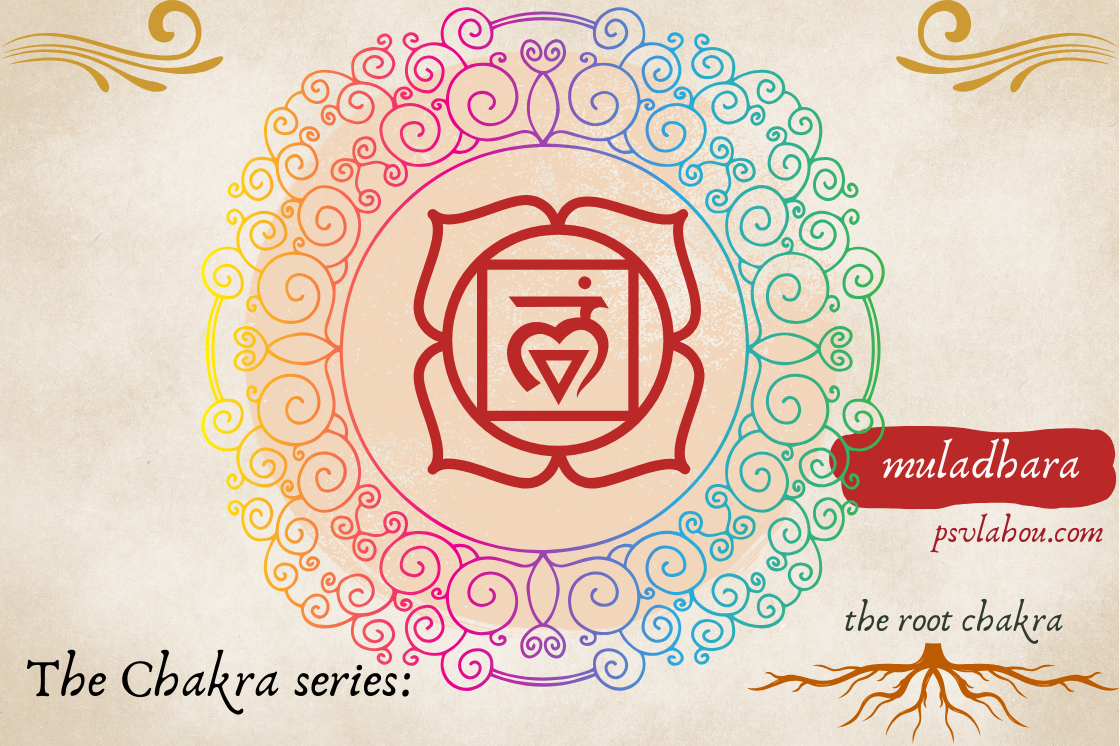
| Symbol | Four-petaled lotus with a square and downward-pointing triangle inside; symbolizing foundation and stability. |
| Seed Mantra (Bīja) | LAM (लं) |
| Stones / Crystals | Red Jasper, Hematite, Garnet, Black Tourmaline, Smoky Quartz. |
| Aromas / Essential Oils | Vetiver, Cedarwood, Patchouli, Myrrh, Frankincense. |
| Associated Body Areas / Organs | Legs, feet, bones, spine, adrenal glands, colon. |
| Psychological Qualities | Safety, security, belonging, physical vitality, survival instincts. |
| When Balanced | Feeling grounded, secure, resilient, connected to body and earth, steady energy. |
| When Blocked / Closed | - Physical signs: Constipation, lower back pain, leg/foot issues, immune weakness. - Emotional signs: Fear, anxiety, insecurity, disconnection, financial stress. |
| How You May Feel When Closed | Restless, fearful, unstable, insecure, ungrounded, difficulty trusting life. |
| Practices to Open | Grounding meditations, walking barefoot, chanting LAM, connecting with earth, mindful eating, stability rituals. |
| Yoga Practices | Standing poses: Tadasana (Mountain Pose), Virabhadrasana I & II (Warrior I & II), Malasana (Garland Pose), Balasana (Child’s Pose), Bridge Pose. |
| Intercultural Parallels | Chinese medicine: The Kidney system and Ren Mai’s lower jiao functions echo root chakra themes — essence (jing), survival, fertility, and vitality. Both emphasize foundational energy that supports life. |
| Herbs (Ayurvedic, Greek, International) | Ayurvedic: Ashwagandha (Withania somnifera), Guggul (Commiphora mukul). Greek / Mediterranean: Sage (Salvia officinalis), Oregano (Origanum vulgare), Thyme (Thymus vulgaris). International: Dandelion root (Taraxacum officinale), Beetroot (Beta vulgaris), Burdock root (Arctium lappa). |
| Herbal Actions | Strengthening, grounding, warming, adrenal support, nourishing the blood, immune-boosting. |
| Reflection Prompt | “What makes me feel safe and rooted? How do I nurture my connection to the earth and to my own foundation?” |
Panagiota Sophia Vlahou
Certified Beekeeper | Specializing in Traditional Beekeeping & Natural Wellness Methods
Trained in Traditional Acupuncture – Academy of Traditional & Chinese Medicine
Member of the Beekeepers’ Association of Attica-Greece
Disclaimer: This article is for educational and informational purposes only. It is not intended to diagnose, treat, cure, or prevent any disease, and it does not substitute professional medical advice. Always consult a qualified healthcare professional before making any changes to your diet, lifestyle, or health practices.