Manipura Chakra — The Solar Plexus Center मणिपूर
In this article you will read about the Manipura chakra, its meaning and origins, the color, stones, and aromas associated with it, how it feels when blocked or open, practices to restore balance, herbal allies from Ayurveda, Greek medicine, and beyond, yoga asanas to strengthen it, and the mantra connected to this fiery center.
The solar plexus 3rd chakra
The Solar Plexus chakra, Manipura, is the third energy center in the classical yogic tradition. Situated at the navel or just above it in the upper abdomen, it governs personal power, self-confidence, and transformation. Manipura literally means “city of jewels,” a radiant inner fire that fuels both physical digestion and the digestion of life experiences. In Hindu philosophy, this chakra is associated with Agni, the sacred fire, and considered the seat of willpower, courage, and self-mastery. In modern holistic practice worldwide, it is linked with empowerment, motivation, and vitality.
The chakra system itself comes from Indian spiritual traditions, particularly early Upanishadic texts and later tantric teachings, with systematic descriptions appearing around the 10th century CE. These teachings describe chakras as subtle centers along the spine, each with symbolic colors, sounds, and functions. In the 20th century, yoga and Ayurveda brought this knowledge to the West, where it is now widely embraced as a map for physical, emotional, and spiritual wellbeing.
Color of Manipura Chakra
The Solar Plexus chakra glows bright yellow, like the midday sun. Yellow represents clarity, illumination, and the spark of transformation. Working with this color in clothing, visualization, or environment can awaken Manipura’s energy.
Stones for Manipura Chakra
Crystals associated with Manipura include citrine, tiger’s eye, yellow jasper, and amber. These stones are believed to channel the warmth of the sun, strengthening confidence, focus, and determination.
Aromas for Manipura Chakra
Warming and stimulating scents are traditionally connected with Manipura. Spices such as cinnamon, ginger, cardamom, and clove activate the digestive fire. Citrus aromas like lemon or grapefruit bring brightness and clarity. Frankincense is also used to connect fire with spirit.
When Manipura is Blocked
A closed or imbalanced Solar Plexus chakra may manifest as digestive weakness, fatigue, low confidence, indecision, or difficulty asserting oneself. Emotionally, it can show as fear of rejection, lack of direction, or feeling powerless. References from yoga therapy literature often describe “fire depletion” when Manipura is weak, leading to low vitality and willpower (Feuerstein, The Yoga Tradition, 2001).
This meaning can easily be understood by its deep symbolism:
the 10 Petals of Manipura are dark-blue or black, like heavily laden rain clouds, with the syllables डं, ढं, णं, तं, थं, दं, धं, नं, पं and फं (ḍaṁ, ḍhaṁ, ṇaṁ, taṁ, thaṁ, daṁ, dhaṁ, naṁ, paṁ, and phaṁ) upon them in a dark-blue color. These petals correspond to the vrittis of spiritual ignorance, thirst, jealousy, treachery, shame, fear, disgust, delusion, foolishness and sadness.
When Manipura is Open
When the Solar Plexus is balanced, one feels energized, confident, decisive, and able to take action with clarity. Physical digestion is strong, and emotionally there is a sense of purpose, courage, and radiant presence. It is the warmth of inner fire that inspires action without aggression.
Practices to Open Manipura Chakra
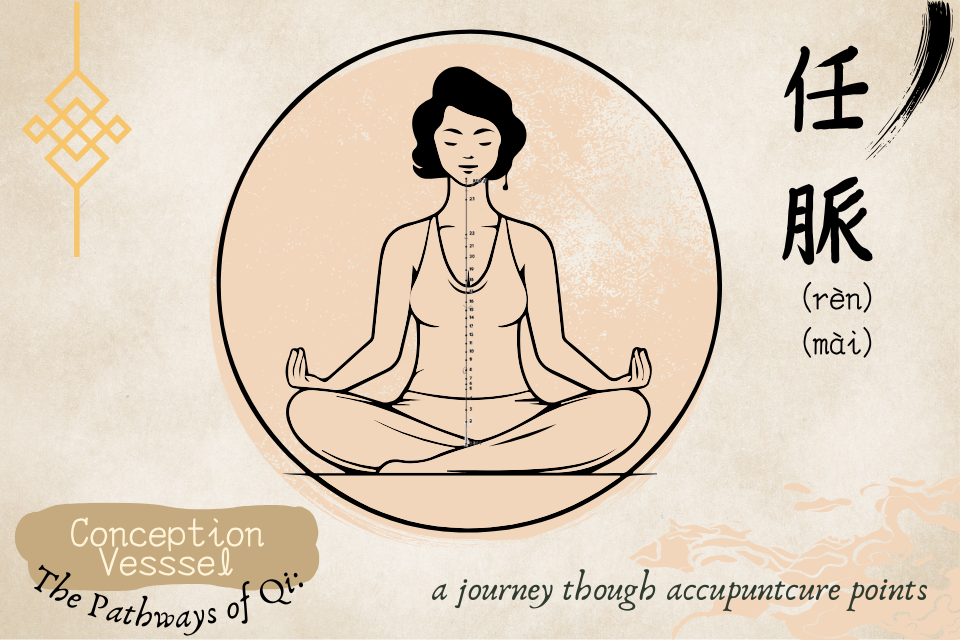
Breathwork such as Kapalabhati (skull-shining breath) or Bhastrika (bellows breath) stimulates Manipura’s fire. Visualization of a golden sun at the navel center builds confidence and energy. Here we can also see an intercultural bridge: in Chinese medicine, the Conception Vessel (Ren Mai) passes through the navel and upper abdomen. Points like CV8 (Shenque, Spirit Gate) and CV12 (Zhongwan, Middle Controller) connect to digestion and vitality, echoing Manipura’s fiery transformative role.
Yoga Practices for Manipura Chakra
Postures that strengthen the core and twist the torso are especially powerful: Navasana (Boat Pose), Ardha Matsyendrasana (Half Lord of the Fishes), Ustrasana (Camel Pose), and plank variations. These asanas kindle heat, strengthen willpower, and awaken the body’s center.
Herbs for Manipura Chakra
Herbal allies for the Solar Plexus are warming, digestive, and energizing.
Ayurvedic: Ginger (Zingiber officinale), turmeric (Curcuma longa), cinnamon (Cinnamomum verum), and pippali (long pepper) all stimulate Agni, the digestive fire.
Greek / Mediterranean: Oregano (Origanum vulgare), thyme (Thymus vulgaris), and bay leaf (Laurus nobilis) were long used for digestion and courage. Hippocrates described thyme as strengthening both body and spirit.
International: Chamomile (Matricaria chamomilla) balances fire with calm clarity; peppermint (Mentha × piperita) aids digestion and refreshes the mind.
These herbs can be taken as teas, decoctions, or incorporated into cooking. Organic sources are always preferable, as they preserve the full aromatic oils and vitality of the plants.
Mantra of Manipura
The bija mantra (seed sound) of the Solar Plexus chakra is RAM. Chanting this sound with awareness at the navel center is said to ignite willpower, confidence, and transformation.
Reflection
Where in my life do I need to stand in my own power? What fires within me are asking to be kindled, and how can I channel them with clarity and purpose?
References
Lad, V. Ayurveda: The Science of Self-Healing. Lotus Press, 1984.
Kaptchuk, T. The Web That Has No Weaver: Understanding Chinese Medicine. McGraw-Hill, 2000.
- https://en.wikipedia.org/wiki/Manipura#:~:text=Description-,Location,a%20rosary%20and%20a%20spear.
Panagiota Sophia Vlahou
Certified Beekeeper | Specializing in Traditional Beekeeping & Natural Wellness Methods
Trained in Traditional Acupuncture – Academy of Traditional & Chinese Medicine
Member of the Beekeepers’ Association of Attica-Greece
Disclaimer: This article is for educational and informational purposes only. It is not intended to diagnose, treat, cure, or prevent any disease, and it does not substitute professional medical advice. Always consult a qualified healthcare professional before making any changes to your diet, lifestyle, or health practices.